
The Unique Benefits of Virtual Therapy: Convenience and Connection
Introduction to Virtual Therapy
In recent years, virtual therapy has emerged as a powerful alternative to traditional in-person sessions. Offering a unique blend of convenience and connection, it caters to the needs of modern individuals seeking mental health support without the constraints of geography and time.

Convenience at Your Fingertips
One of the most compelling benefits of virtual therapy is its unparalleled convenience. With just a few clicks, you can connect with a therapist from the comfort of your home. This eliminates the need for travel and reduces the time commitment, making therapy more accessible to those with busy schedules.
Furthermore, virtual therapy platforms often offer flexible scheduling, allowing sessions to be arranged outside of typical 9-to-5 hours. This flexibility is particularly beneficial for parents, professionals, and students who struggle to find time during the day.
Enhanced Connection Opportunities
Virtual therapy offers a broader selection of therapists, enabling individuals to find a professional who best fits their needs. This can be especially important for those seeking specialists in niche areas of mental health or specific therapeutic approaches.
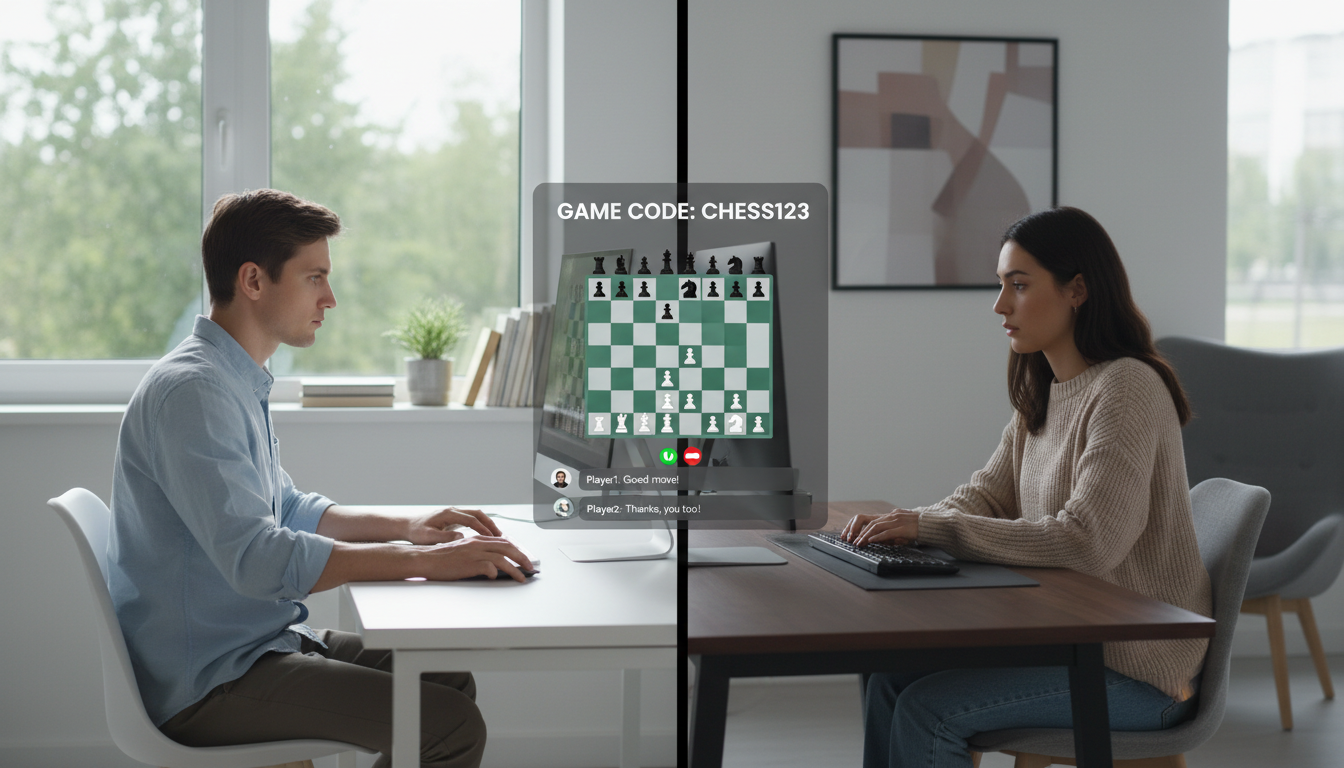
Additionally, virtual therapy can foster a deeper sense of connection. For some, participating in therapy from a familiar environment is comforting, which can enhance openness and honesty during sessions. This comfort can lead to more productive and meaningful interactions.
Accessibility for All
Virtual therapy breaks down barriers for those living in remote or rural areas where access to mental health services may be limited. It also serves individuals with physical disabilities or mobility issues, providing them with a practical way to receive support.
Moreover, this mode of therapy can be a lifeline for individuals who experience anxiety about attending in-person sessions, offering a less intimidating way to begin their therapeutic journey.

Maintaining Privacy and Confidentiality
Concerns about privacy are addressed through secure virtual therapy platforms that comply with regulations like HIPAA in the U.S. These platforms ensure that sessions remain confidential, providing peace of mind to clients worried about their personal information.
In addition, virtual therapy allows clients to maintain their anonymity more easily, which can be particularly appealing to those living in smaller communities where privacy may be a concern.
Conclusion: The Future of Therapy
As technology continues to evolve, virtual therapy is poised to become an integral part of mental health care. By offering a convenient, accessible, and private option, it opens up new possibilities for individuals seeking support. Embracing this innovative method, we move towards a future where mental well-being is within reach for everyone.