
The Rise of Virtual Therapy: Why It's Popular in Philadelphia
Understanding the Shift to Virtual Therapy
In recent years, virtual therapy has seen a significant rise in popularity, particularly in urban areas like Philadelphia. This change is largely due to advancements in technology and a shift in societal attitudes towards mental health care. Virtual therapy offers a convenient and accessible option for individuals seeking professional support, breaking down geographical and logistical barriers.
The COVID-19 pandemic accelerated the adoption of virtual therapy as in-person sessions became challenging. Many therapists and clients discovered that online sessions could be just as effective, if not more so, in certain cases. This realization has led to a lasting transformation in the way mental health services are delivered.
Why Philadelphia is Embracing Virtual Therapy
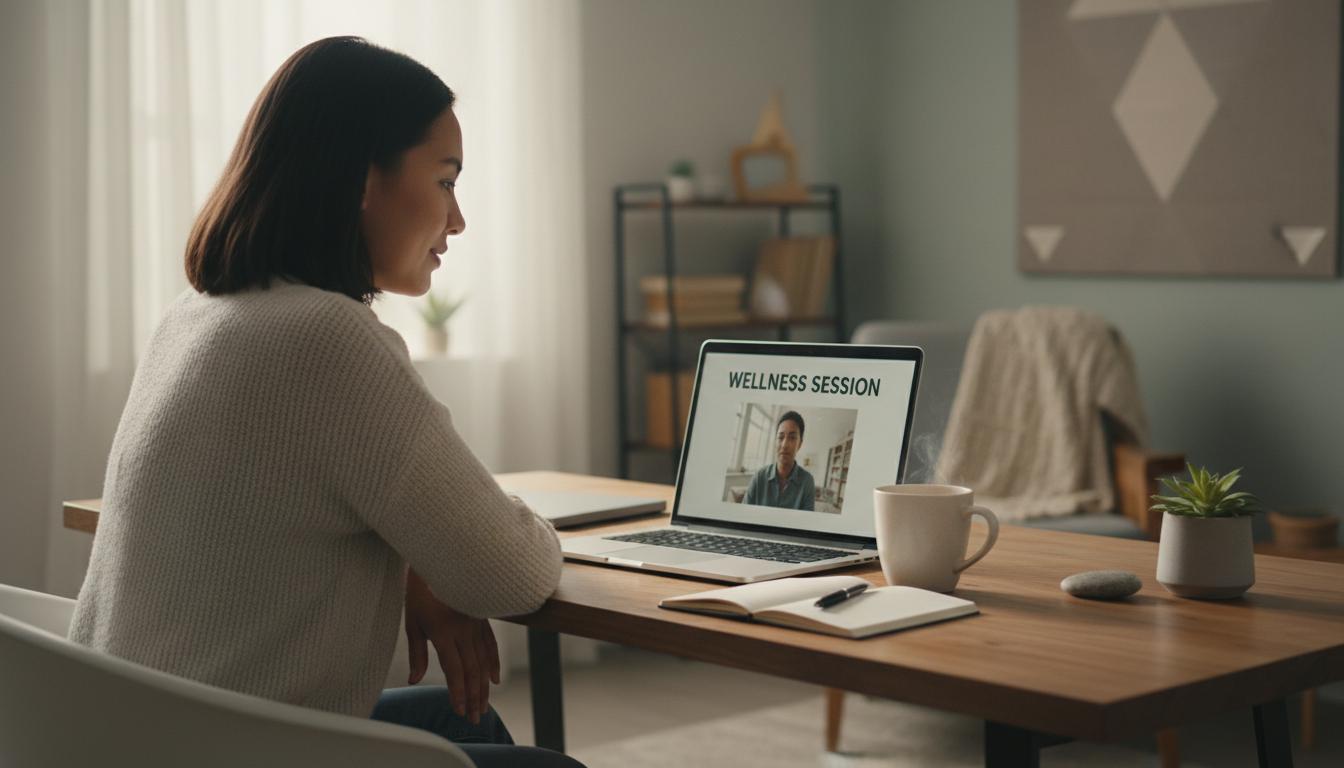
Philadelphia, with its diverse and dynamic population, has been at the forefront of adopting virtual therapy. One reason for this is the city's commitment to innovation and technology, providing a fertile ground for telehealth services to thrive. Additionally, the city's dense urban environment often means that residents face challenges like traffic and time constraints, making virtual therapy a more attractive option.
Another factor contributing to the popularity of virtual therapy in Philadelphia is the wide availability of licensed professionals offering online services. With a robust network of mental health practitioners, residents have access to a variety of therapy options tailored to their specific needs.

Benefits of Virtual Therapy for Philadelphians
There are several reasons why virtual therapy is beneficial for residents of Philadelphia:
- Convenience: Clients can attend sessions from the comfort of their own home, eliminating travel time and associated stress.
- Flexibility: Virtual therapy offers more flexible scheduling options, accommodating the busy lifestyles of many Philadelphians.
- Accessibility: Individuals with mobility challenges or those living in underserved areas can access therapy more easily.
Challenges and Considerations
While virtual therapy offers numerous advantages, it also presents some challenges. Privacy concerns and the need for a reliable internet connection can be barriers for some individuals. It's essential for clients to have a private, quiet space for sessions to ensure confidentiality and effectiveness.
Moreover, not all types of therapy are suitable for virtual delivery. Therapists and clients need to collaboratively determine whether online sessions are appropriate for their specific therapeutic goals and needs.
The Future of Therapy in Philadelphia
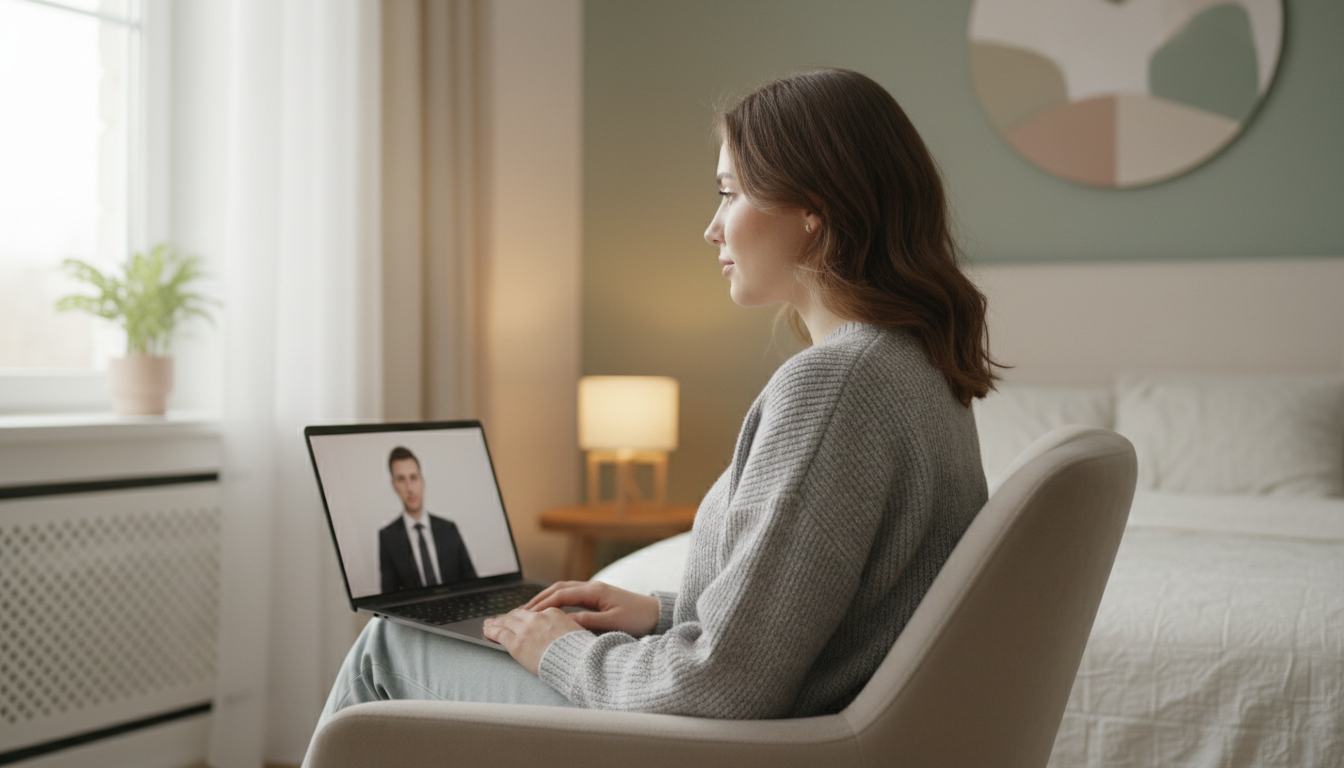
The rise of virtual therapy indicates a significant shift in how mental health care is perceived and accessed. As technology continues to advance, it's likely that virtual therapy will become even more integrated into the mainstream, offering more personalized and effective solutions for mental health care.
Philadelphia, with its progressive stance on mental health and technology, is well-positioned to continue leading the way in this transformation. By embracing virtual therapy, the city is providing its residents with the tools they need to achieve better mental health outcomes.
In conclusion, the rise of virtual therapy in Philadelphia reflects broader trends in mental health care delivery. As more people recognize the benefits and accessibility of online therapy, it's clear that this approach will play a crucial role in shaping the future of mental health services in the city and beyond.