
Navigating PTSD: Expert Strategies for Veterans and Military Personnel
Understanding PTSD in Veterans
Post-Traumatic Stress Disorder (PTSD) is a condition that affects many veterans and military personnel. It can develop after experiencing or witnessing a traumatic event, such as combat. The symptoms of PTSD can include flashbacks, nightmares, severe anxiety, and uncontrollable thoughts about the traumatic event.
Veterans often face unique challenges when dealing with PTSD due to the nature of their service. Recognizing the symptoms and seeking help is crucial for recovery. Early intervention can significantly improve the quality of life for those affected.
Effective Strategies for Managing PTSD
Professional Therapy
Engaging with a professional therapist can be one of the most effective ways to manage PTSD. Therapists can offer Cognitive Behavioral Therapy (CBT), which helps individuals understand and change their thought patterns. Eye Movement Desensitization and Reprocessing (EMDR) is another therapy that has shown promise in treating PTSD.
Support Groups
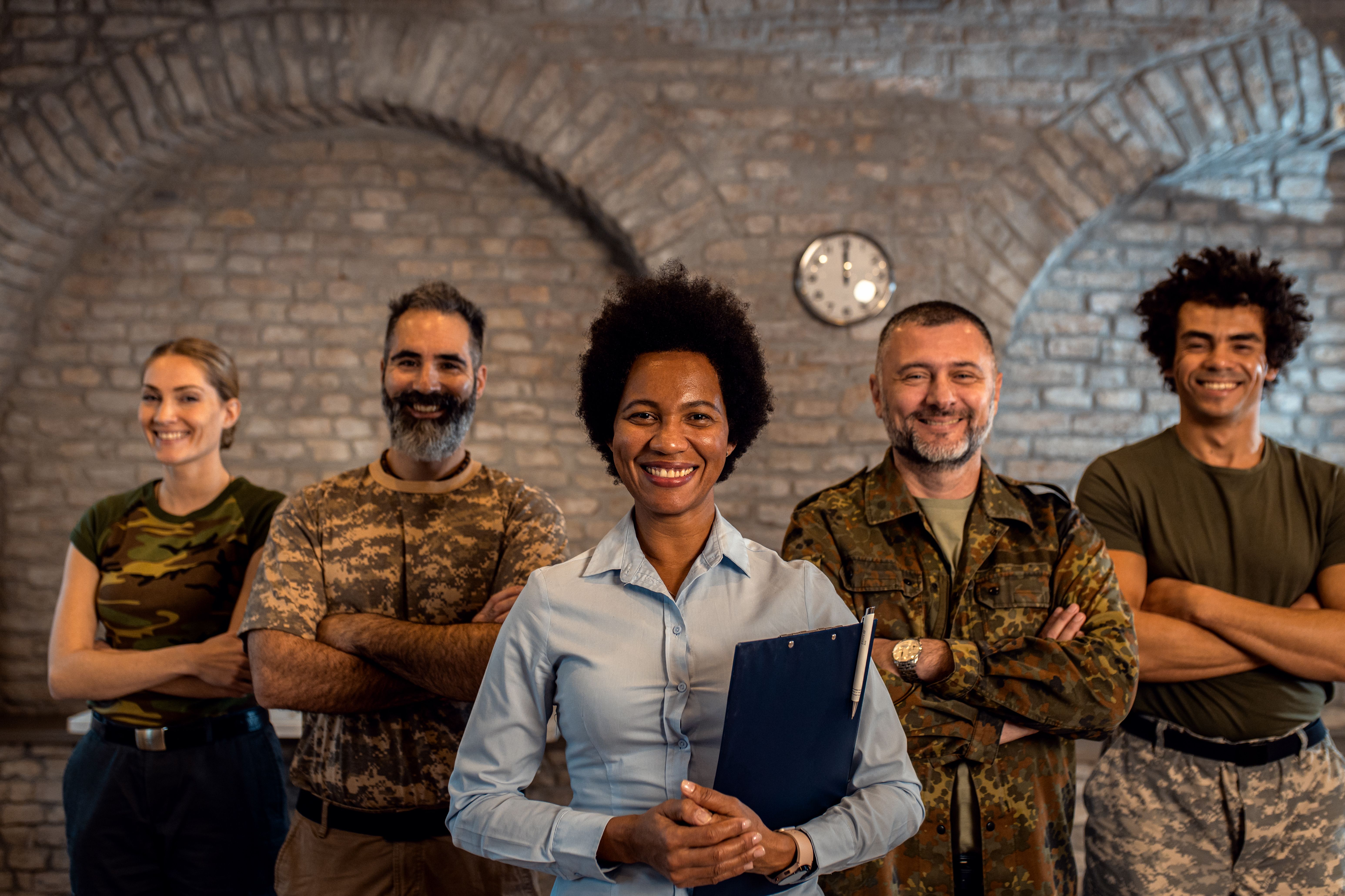
Joining a support group provides veterans with a community of individuals who understand their experiences. Sharing stories and coping strategies can be incredibly therapeutic. These groups also offer a sense of camaraderie and belonging, which can be comforting for those feeling isolated.
Self-Care Techniques
Mindfulness and Meditation
Practicing mindfulness and meditation can help veterans manage stress and anxiety. These techniques encourage individuals to focus on the present moment, reducing the impact of traumatic memories. Regular practice can lead to improved emotional regulation and increased resilience.
Physical Activity
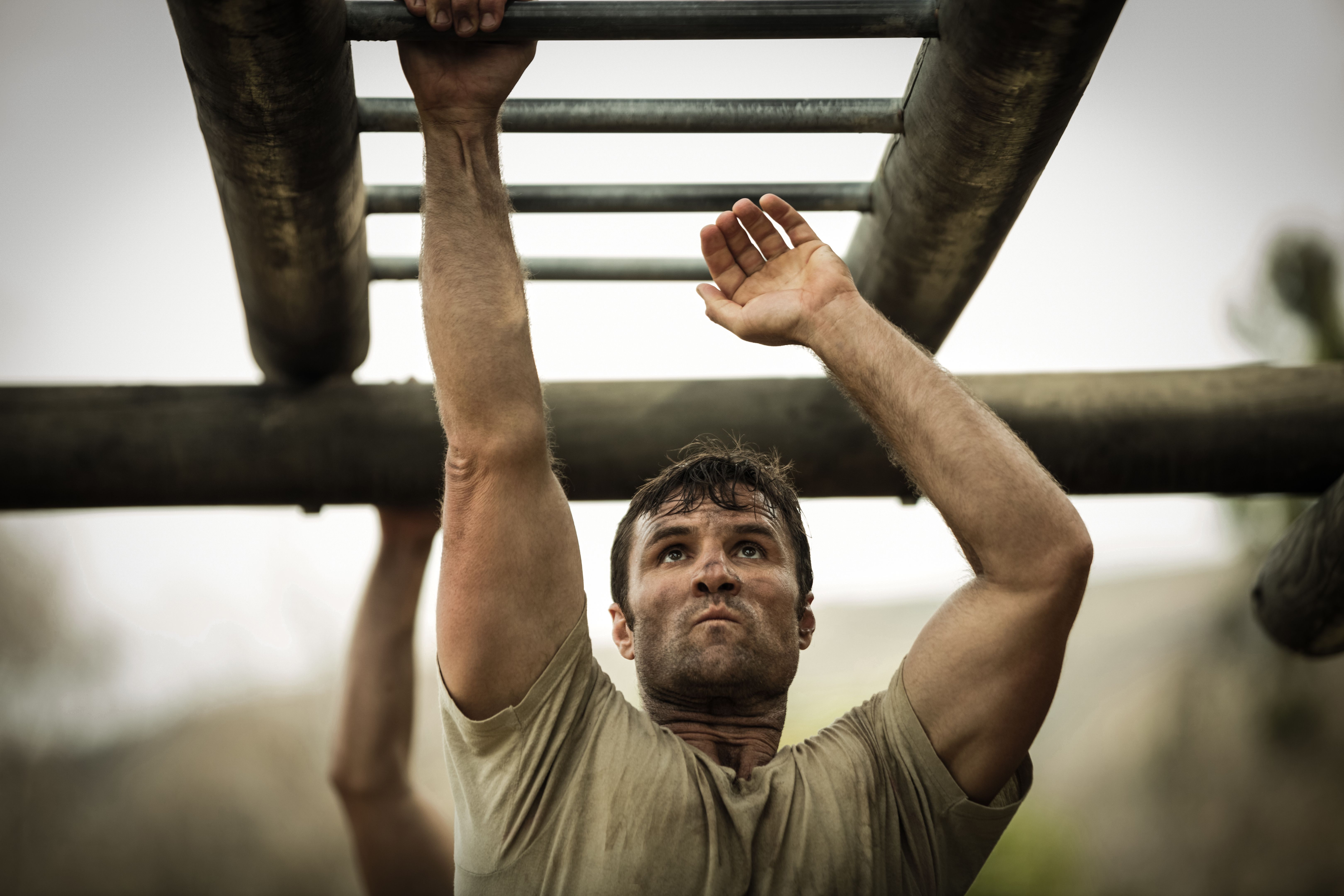
Physical exercise is a powerful tool for managing PTSD symptoms. Activities such as running, swimming, or yoga can release endorphins, which improve mood and reduce stress. Exercise also provides a healthy outlet for frustration and anxiety.
Building a Support Network
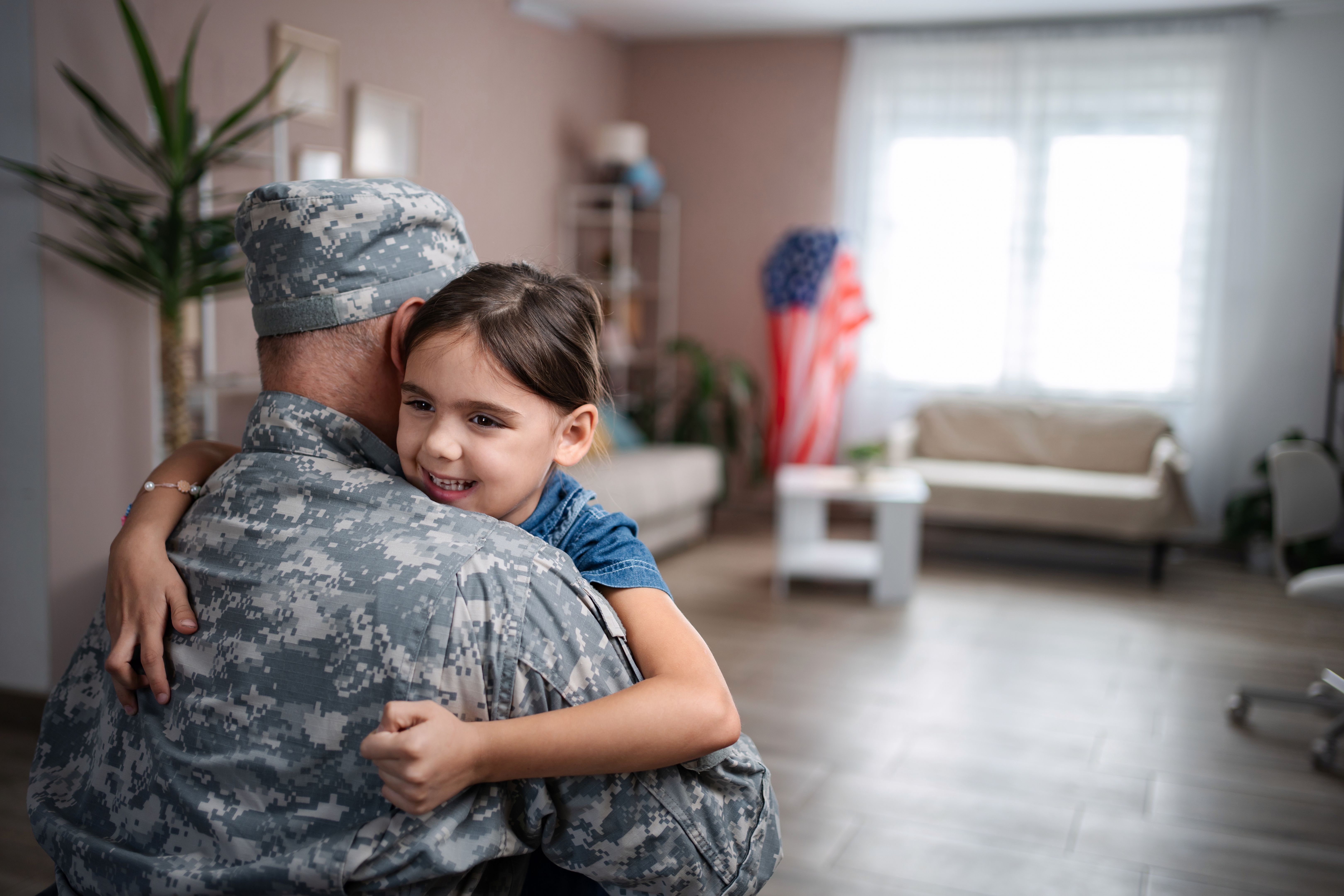
Developing a strong support network is essential for veterans dealing with PTSD. Family, friends, and fellow veterans can offer emotional support and encouragement. Open communication about struggles and victories helps build trust and understanding among loved ones.
Additionally, reaching out to veteran organizations can provide access to resources and support tailored specifically for military personnel. These organizations often offer workshops, retreats, and other programs designed to help veterans navigate life after service.
Looking Ahead
While PTSD is a challenging condition, veterans and military personnel have access to a variety of strategies and resources to help them manage their symptoms. By seeking professional help, engaging in self-care, and building a robust support network, those affected by PTSD can lead fulfilling and meaningful lives.
It's important for veterans to remember that they are not alone in their journey. With the right support and strategies, healing and recovery are possible.