
Debunking Myths About Virtual Therapy in Pennsylvania
Understanding Virtual Therapy
Virtual therapy, also known as online therapy, has become increasingly popular, especially in states like Pennsylvania. Despite its growing acceptance, several myths persist, leading to confusion and hesitation. In this blog post, we will debunk some of these common misconceptions.

Myth 1: Virtual Therapy is Less Effective
One of the most prevalent myths is that virtual therapy is less effective than face-to-face sessions. However, numerous studies have shown that online therapy can be just as effective as traditional therapy. The key lies in the therapeutic relationship and the techniques used, not the medium of communication.
For many, the convenience of accessing therapy from home can enhance the therapeutic experience, making clients more comfortable and open during sessions.
Myth 2: It's Not Secure
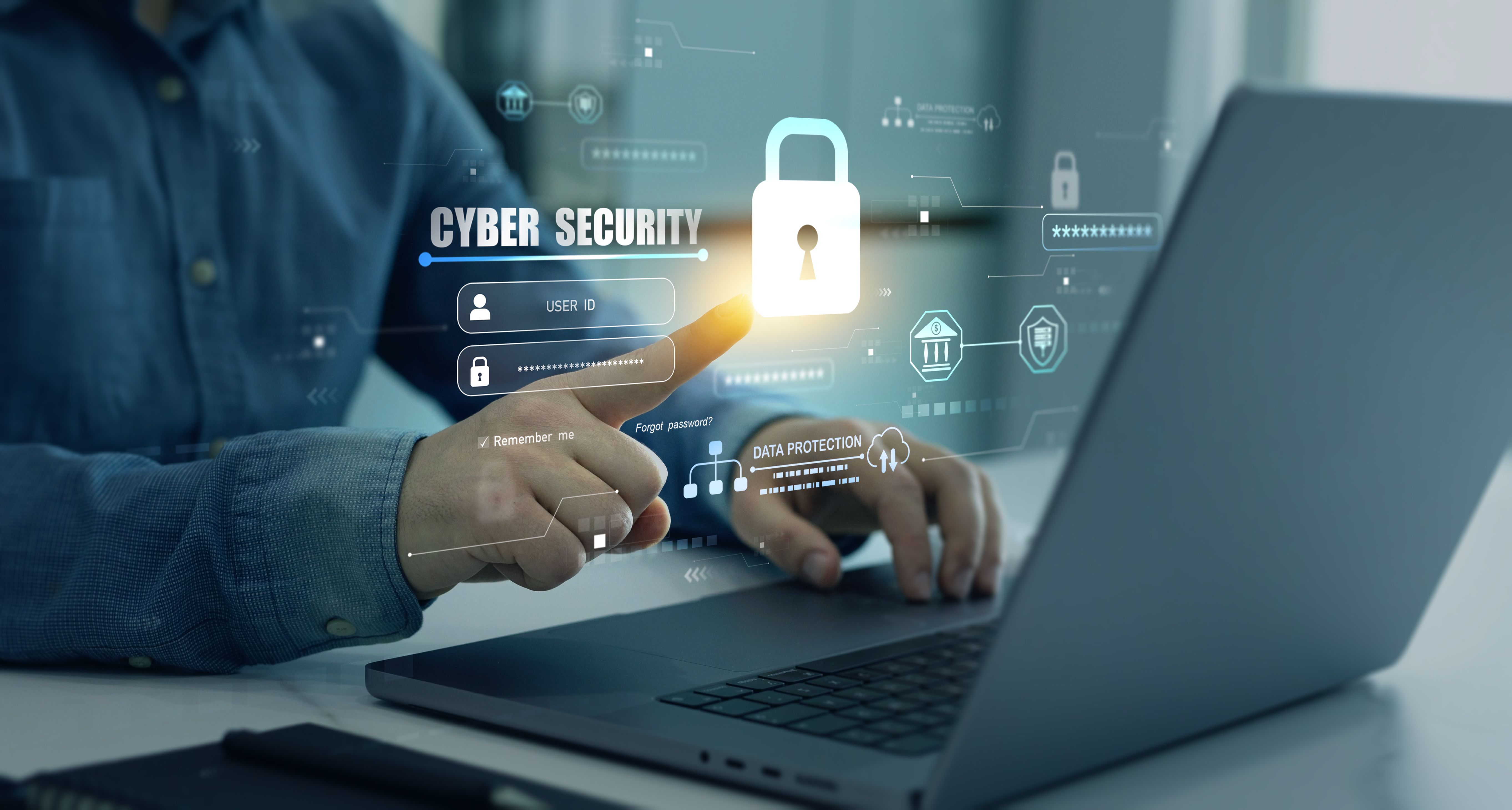
Another common concern is the security of virtual therapy sessions. Many fear that their personal information may be compromised. In reality, most virtual therapy platforms use encrypted communication methods to ensure client confidentiality and data protection. Therapists are also bound by the same ethical guidelines they follow in traditional settings.
Myth 3: It's Only for Tech-Savvy Individuals
Some believe that virtual therapy is only suitable for those who are comfortable with technology. However, most platforms are designed to be user-friendly, requiring minimal technical skills. Therapists often provide guidance to help clients navigate the platforms, ensuring accessibility for everyone.
Myth 4: Limited to Certain Issues
There's a misconception that virtual therapy is only suitable for minor issues. In truth, online therapy can address a wide range of mental health concerns, from anxiety and depression to relationship issues and trauma. Therapists are equipped to handle various issues, providing personalized care just as they would in-person.

Myth 5: Insurance Doesn’t Cover It
Many people assume that virtual therapy is not covered by insurance. However, many insurance providers, including those in Pennsylvania, have adapted their policies to cover telehealth services. This change has made therapy more accessible and affordable for many individuals.
It's essential to check with your provider to understand the specifics of your coverage, as they can vary.
The Benefits of Virtual Therapy
Beyond debunking myths, it's important to highlight the benefits of virtual therapy. These include increased accessibility, reduced travel time, and the ability to reach therapists outside of one’s local area. This flexibility can be crucial for those with busy schedules or mobility issues.
Conclusion
Virtual therapy in Pennsylvania offers a viable and effective option for those seeking mental health support. By debunking these myths, we hope to encourage more individuals to explore online therapy without hesitation. Embracing this modern approach can lead to profound benefits in mental well-being.